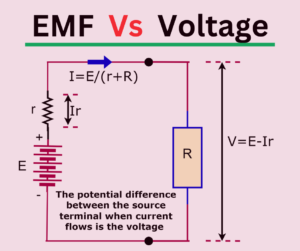
Difference Between EMF and Voltage
The primary difference between EMF and voltage is that EMF denotes the voltage present at the terminals of a source in the absence of current
The primary difference between EMF and voltage is that EMF denotes the voltage present at the terminals of a source in the absence of current
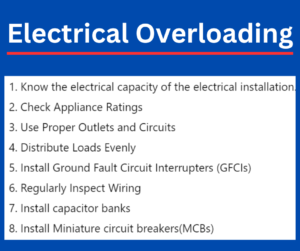
Definition: When a circuit carries a current greater than its rated capacity, it is called overloading. The amount of current that flows through an electrical
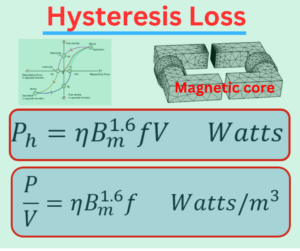
Definition: The energy wasted in the form of heat due to hysteresis in magnetic materials is called Hysteresis Loss. The magnetizing force works against the internal friction
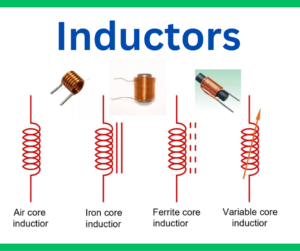
An inductor is a passive electrical component that stores magnetic energy when an electric current flows through it. Inductors are used in electronic circuits for
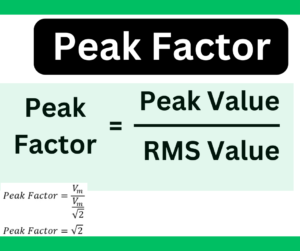
Definition-Peak Factor is the ratio of the maximum value and the Root Mean Square (RMS) value of an alternating quantity, which can be either voltage
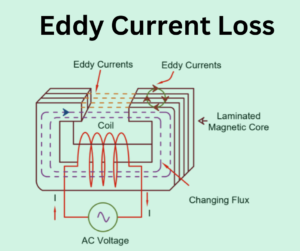
Definition: Eddy current loss is the heat generated by the flow of circulating currents( Eddy currents) in a magnetic material. When a magnetic material is
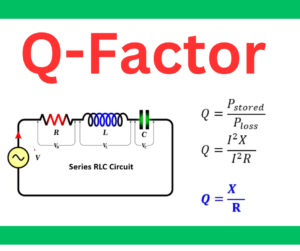
The Q factor or Quality Factor measures how efficiently a circuit component like an inductor or capacitor stores energy compared to how much it loses

The drift velocity is zero when no external field is applied to the conductor. The electrons move slowly on the application of an electric field

Fleming’s left-hand rule is used to determine the direction of rotation of the rotor in electric motors while Fleming’s right-hand rule is used to determine
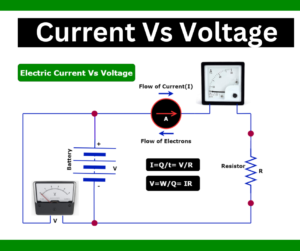
The main difference between current and voltage is that current is the rate of flow of electrons in a specific direction, while voltage is an electric pressure