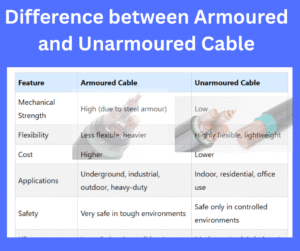
Difference Between Armoured and Unarmoured Cable
The main difference between armoured and unarmoured cable is that armoured cables have an extra protective metallic layer (usually steel wire or tape) for mechanical
The main difference between armoured and unarmoured cable is that armoured cables have an extra protective metallic layer (usually steel wire or tape) for mechanical
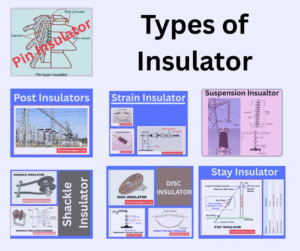
Insulators are crucial components in transmission lines, preventing unwanted current flow from conductors to supporting towers or poles. Without proper insulators, electricity could leak to
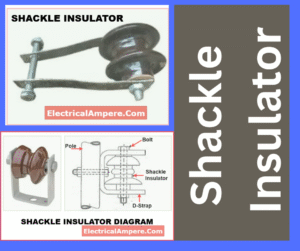
In any power distribution system, the shackle insulator is indispensable because it prevents unwanted current flow to the supporting structures. Without proper insulators, electricity could
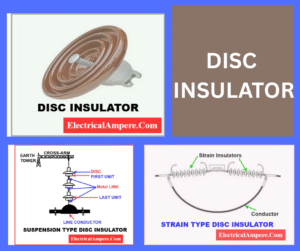
Disc insulator is a critical component in electrical power systems. It support and electrically isolate high-voltage conductors from transmission towers or poles, preventing leakage currents
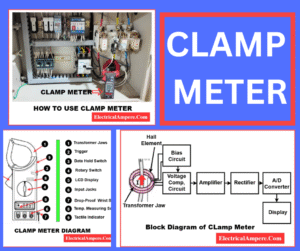
A clamp meter—also called a tong tester—is a widely used electrical testing tool that makes current measurement simple, quick, and safe. The clamp meter working
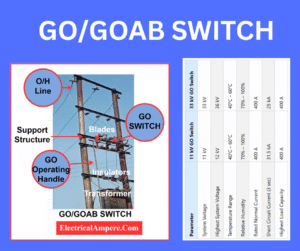
In high-voltage power distribution systems, safe and reliable switching equipment is essential. One of the most commonly used devices is the GO/GOAB Switch (Gang operated/
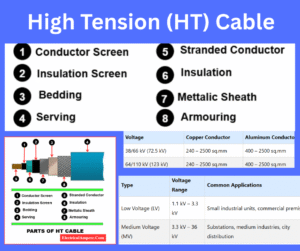
High tension(HT) power cable plays a critical role in power transmission systems. These cables carry high-voltage electricity from power stations to substations, industrial setups, and
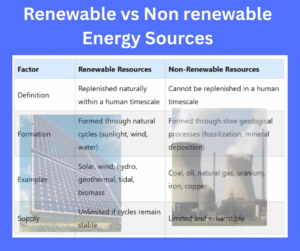
The difference between renewable and non renewable energy resources is simple: renewable sources, like solar and wind, can naturally replenish over time, while non-renewable sources,
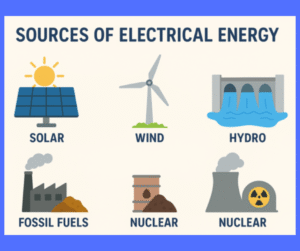
Electricity powers almost everything in modern life – from lighting our homes to running industries. But have you ever wondered where electrical energy actually comes

Smart grid vs conventional grid is a critical topic in modern electrical engineering as power systems evolve toward smarter, more efficient, and sustainable technologies. Traditional