Applications of Transformer
Discover the top applications of transformer in daily life, including power generation, transmission, lighting, audio systems, and electronics. Learn how transformers step up and step
Discover the top applications of transformer in daily life, including power generation, transmission, lighting, audio systems, and electronics. Learn how transformers step up and step
Discover the key advantages and disadvantages of transformer, including efficiency, voltage regulation, energy losses, and applications in power systems. Learn how transformers impact electricity transmission
Learn about Electric Vehicle (EV), its block diagram, working principles, advantages, and disadvantages. Understand how EVs function and their impact on the future of transportation.
Learn how to connect a 3-phase motor in star and delta configurations. Step-by-step guide with diagrams to ensure proper wiring and efficient motor operation. A
What is an Electrical Drive? An electrical drive is a type of system used to control the motion of an electrical machine. In simple terms,
1). What is a Transformer? A transformer is a static electrical device that transfers electrical energy from one circuit to another through electromagnetic induction. It operates
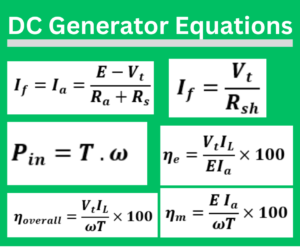
This article describes the DC generator equations and formulas, including parameters for shunt and series generators, EMF calculations, armature and field current equations, power analysis,
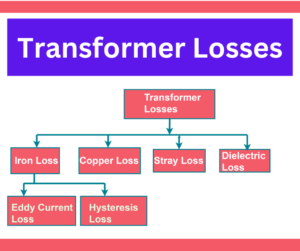
Iron Loss, Hysteresis Loss, Eddy Current Loss, Copper Loss, Stray Loss, and Dielectric Loss are the types of losses in a transformer. Transformers play a
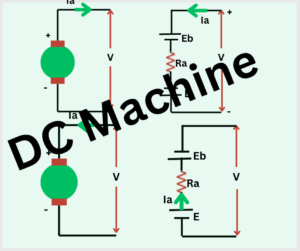
A DC machine is an electromechanical device that operates either as a motor or a generator, converting mechanical energy into direct current (DC) electrical energy
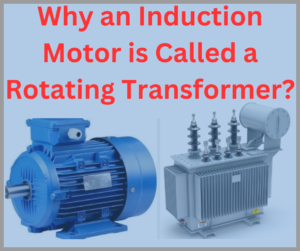
Induction motors are often described as “rotating transformers” due to their fundamental similarities in their operating principles and energy transfer. To understand this analogy, let’s