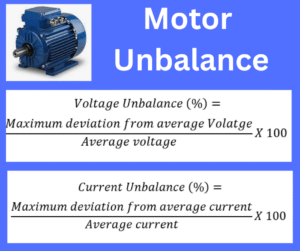
Motor Unbalance: Causes, Effects, Formula, Calculation Explained
Motor unbalance is a critical issue in electrical engineering, particularly in industrial environments where motors are extensively used. It refers to an unequal distribution of
Motor unbalance is a critical issue in electrical engineering, particularly in industrial environments where motors are extensively used. It refers to an unequal distribution of
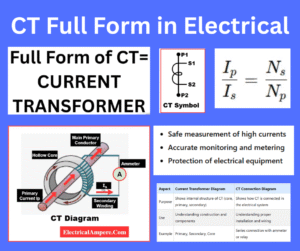
CT full form in electrical = Current Transformer. When working with high-voltage power systems, measuring current directly is not only difficult but also dangerous. A
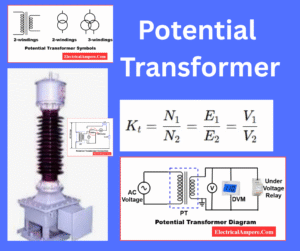
A Potential Transformer (PT), also known as a voltage transformer, is one of the most important instrument transformers used in electrical power systems. Its primary
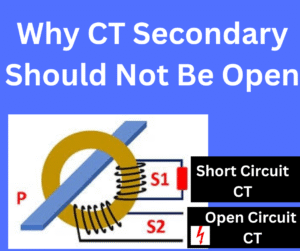
The secondary of a Current Transformer (CT) should not be open because it can generate dangerously high voltage, leading to insulation failure, equipment damage, and
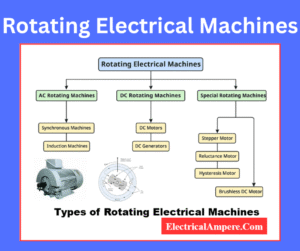
Electric machines are at the heart of our modern world. Whether it is a ceiling fan in your home, an alternator in your car, or
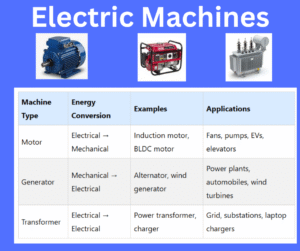
Electric machines are the building blocks of modern civilization. They convert, control, and distribute energy, making it possible to run industries, transportation systems, and even
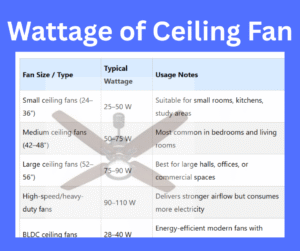
Ceiling fans are one of the most widely used household appliances across the world. They provide comfort, improve air circulation, and are far more affordable
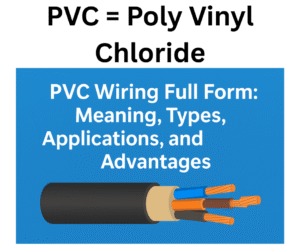
If you want to know the PVC wiring full form, you’re in the right place. PVC (Polyvinyl Chloride) is a common insulation material in electrical
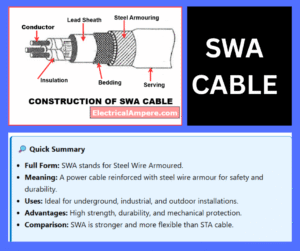
SWA (Steel Wire Armoured) cable is a type of electrical power cable reinforced with a steel wire layer that protects its insulated core. This armour
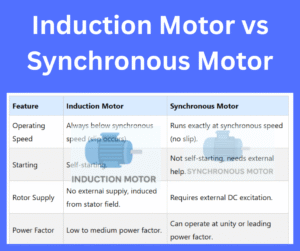
In electrical engineering, two of the most widely used machines are induction motors and synchronous motors. The main difference between induction motor and synchronous motor